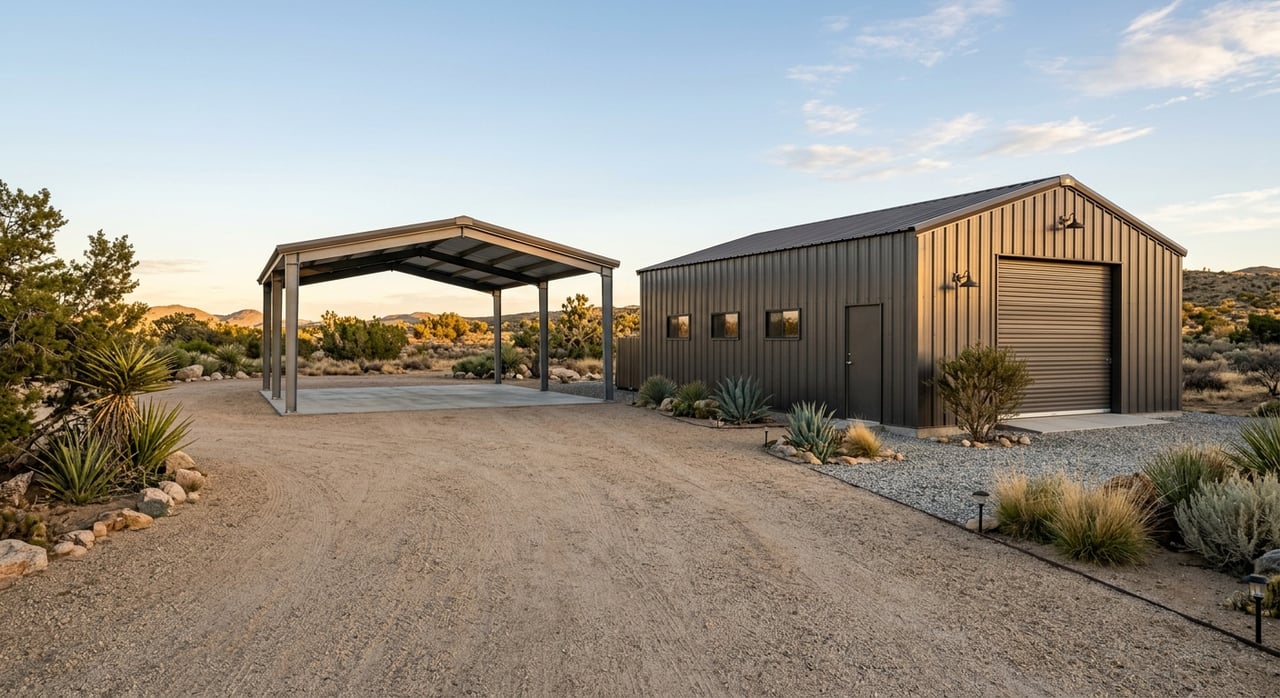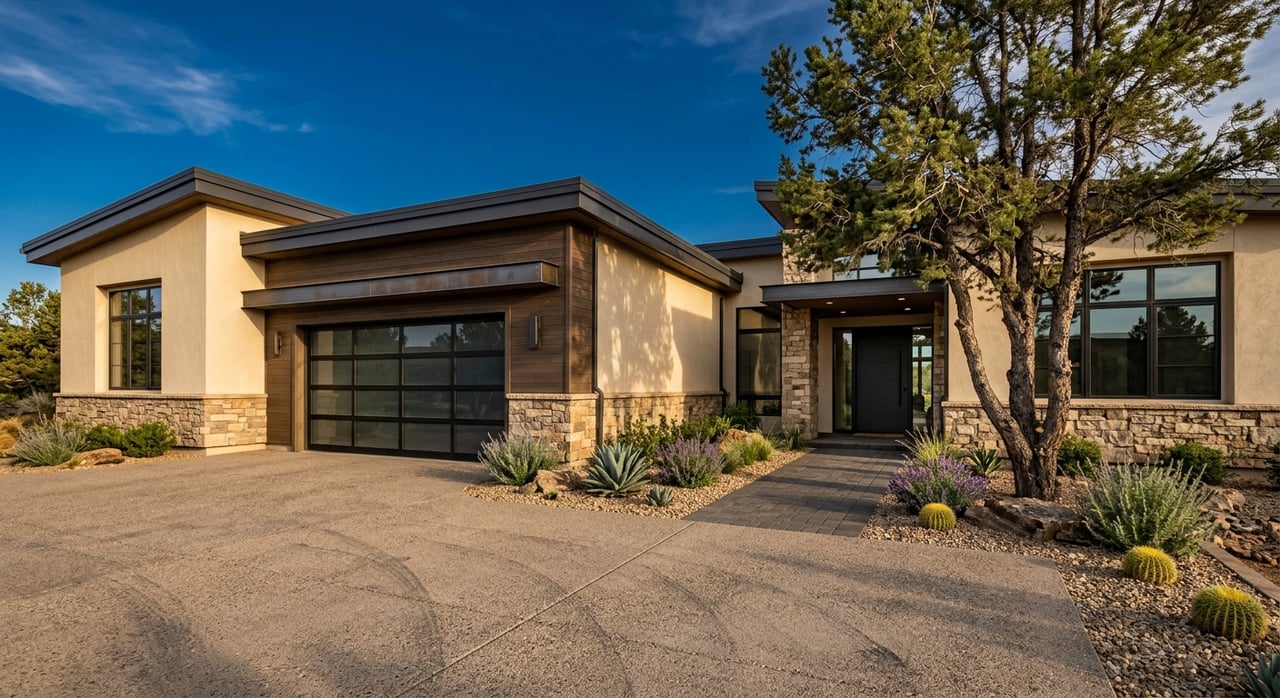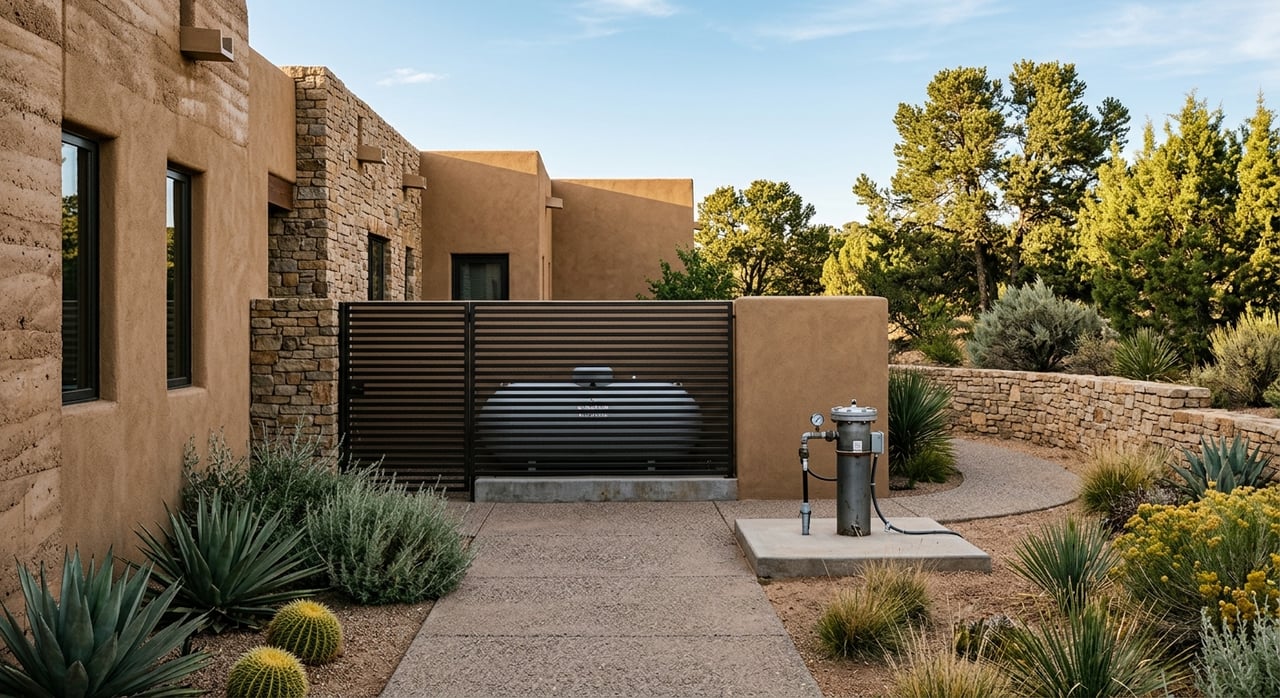
If you are drawn to Dewey for the space, views, and elbow room, you are not alone. Acreage living can offer a different kind of daily life, but it also comes with more moving parts than a typical subdivision home. If you know what to verify before you buy, you can avoid surprises and feel much more confident about how the property will function day to day. Let’s dive in.
Why Dewey acreage works differently
Dewey-Humboldt is the practical local reference point for the Dewey area, and the town describes it as a high-desert community about 85 miles north of Phoenix and 12 miles east of Prescott at roughly 4,800 feet. The area has a mild four-season climate with occasional winter snowfall, and residential lot sizes are often greater than half an acre, with many areas at 1.6 acres or more.
That setup changes how you should evaluate a home. Instead of assuming every property has the same utility package and maintenance structure, you need to confirm the actual systems tied to that specific parcel. In Dewey acreage living, the land, access, drainage, and service connections matter just as much as the house itself.
Start with the water source
Water is one of the first things to clarify on any acreage property. You will want to know whether the home uses a private well, a shared well, hauled water, or a utility connection.
If a well will be used for domestic purposes on a parcel of 5 acres or fewer, the applicable county or local health authority reviews the application before it goes to the Arizona Department of Water Resources. That makes it important to understand not just whether a well exists, but also how it was permitted and what documentation is available.
What to ask about private wells
For a private well, ask for recent water test results and basic well information. The Arizona Department of Water Resources recommends testing through Arizona Department of Health Services certified labs.
For a new well, the recommended test list includes arsenic, fluoride, lead, nitrates, total coliform bacteria, total dissolved solids, and uranium. ADWR also cites ADHS recommendations to retest coliform bacteria and nitrates yearly, with some other contaminants tested every five years.
What to know about shared wells
Shared wells deserve extra attention because the legal arrangement matters as much as the physical system. ADWR states that well share agreements are private contracts between the parties, and the agency does not step in to resolve disputes.
That means you should ask whether there is a written agreement, whether it is recorded, and how power costs, repairs, and maintenance are handled. Clear paperwork can save you from unclear expectations later.
Verify septic before you close
On many acreage properties, septic is another major system that should be reviewed early. Yavapai County Environmental Services handles septic permits, inspections, site investigations, and water and sewer line extensions.
County guidance says new septic systems require a permit. The county’s homeowner guide also says septic systems should be inspected at least every three years and pumped generally every three to five years.
Septic records to request
Before making an offer or during your inspection period, ask for:
- The septic permit
- System age
- Inspection records
- Pumping history
- Any transfer-of-ownership paperwork
These records can help you understand the condition of the system and reduce the chance of unexpected repair costs after closing.
Check power and propane logistics
Electric service is another piece of the puzzle that can vary in how it affects daily life. Town materials reference APS as the electric utility in Dewey-Humboldt, and a town newsletter notes that APS may prolong outages or take lines out of service during elevated fire conditions to protect responders.
For buyers, that makes outage planning part of the conversation. It is smart to think about backup batteries, phone charging, and how the property is set up if service is interrupted for longer than usual.
If the home uses propane, verify the details at the exact address. Propane delivery is available in Dewey through at least one provider’s listed service area, but you should still confirm tank ownership, delivery arrangements, and current service setup for the specific property.
Confirm internet by address, not by area
One of the most common mistakes acreage buyers make is assuming internet service will be the same across a broader area. In reality, Yavapai County points residents to the FCC Broadband Map by address, and the FCC map shows fixed broadband options at individual locations.
That means service should be checked parcel by parcel. Fiber, cable, DSL, satellite, and fixed wireless availability can differ even between nearby homes.
Questions to ask about broadband
When reviewing a Dewey acreage property, ask:
- Which providers serve the exact address
- What type of connection is available
- What speeds are realistically offered there
- Whether the current owner has had any service limitations
Yavapai County’s ongoing broadband initiative is another sign that availability can still be uneven, so this is worth verifying early if you work from home, stream often, or rely on strong connectivity.
Roads and access matter more than many buyers expect
Acreage living is not just about what happens inside the home. It is also about how you get to the property and who is responsible for keeping that access usable.
Dewey-Humboldt’s town offices are on State Route 69 and Main Street, and regional transportation materials note several access points along SR 69 and SR 169. For everyday life, road type and road connection can have a real impact on convenience.
The town says it has about 50 miles of maintained roads in the incorporated area, including about 38 miles paved and 12 miles of improved native surface. Yavapai County also makes an important distinction: it maintains only county-maintained roads, and private roadways remain private even if the county names them or assigns addresses to them.
Road questions every acreage buyer should ask
Ask these questions before closing:
- Is the road county-maintained or private?
- Who grades the road?
- Who plows it when needed?
- Is there a shared maintenance agreement?
- Is there an improvement district involved?
These details affect both cost and convenience, especially on parcels where access is not straightforward.
Driveways, culverts, and drainage
Yavapai County says driveway culverts are the owner’s responsibility, while roadway culverts are maintained by the county. The county also notes that access or drainage work may require permits.
That makes driveway drainage and monsoon runoff important items to review during due diligence. A property can look fine on a dry day and still have water-flow issues during storm season.
Plan for a four-season property
Dewey-Humboldt describes the area as having a four-season climate with occasional snowfall. Nearby Prescott climate normals show 12.85 inches of annual precipitation, 46 days at or above 90 degrees, and 121 days with minimum temperatures at or below freezing.
In practical terms, that means acreage homeowners should prepare for both summer heat and winter freeze protection. Seasonal care is part of the lifestyle.
Fire readiness is part of property care
The town’s Firewise guidance offers a useful framework for acreage maintenance. Recommended steps include clearing gutters, eaves, porches, and decks, removing dead vegetation and other flammables within 30 feet of structures, pruning trees so the lowest branches are 6 to 10 feet off the ground, and maintaining roofs and vents to reduce ember entry.
The guidance also recommends keeping an outdoor water source with a hose that can reach the property, protecting important documents, and preparing an evacuation plan. These are practical items to think through before and after move-in.
Keep an eye on drainage seasonally
Yavapai County also reminds property owners to report hazardous road and drainage conditions. For acreage homes, culverts, ditch flow, and driveway drainage should be part of your routine seasonal checklist, especially during monsoon weather.
If any work needs to be done within a maintained right-of-way, permit rules may apply. That is another reason to understand the property’s setup before you take ownership.
A practical Dewey acreage checklist
If you want a simple way to evaluate a property, focus on the systems and responsibilities that can vary most from parcel to parcel.
What to verify before you buy
- Water source and how the property is served
- Well documentation and recent water testing
- Shared well agreement terms, if applicable
- Septic permit, age, inspection history, and pumping records
- Electric service setup and outage planning
- Propane delivery details and tank ownership, if used
- Internet availability at the exact address
- Road type, maintenance responsibility, and winter access
- Driveway culvert condition and drainage patterns
- Firewise condition around the home and outdoor water access
This kind of review helps you move beyond the listing details and into the real daily logistics of living there.
Why local guidance helps in Dewey
In Dewey, two properties with similar square footage can function very differently because the land and infrastructure are different. That is why acreage purchases benefit from careful local guidance and a strong due diligence plan.
If you are comparing homes, relocating to the Quad Cities, or trying to understand what acreage living really involves, Josh Day Real Estate can help you ask the right questions, connect with local resources, and navigate the process with more clarity. When you are ready to explore Dewey homes or land, reach out to Josh Day.
FAQs
What utilities should you verify before buying acreage in Dewey?
- You should confirm the water source, well details or shared well terms, septic records, electric service, propane setup if used, internet availability by address, and road access responsibilities.
How often should a septic system be maintained on a Dewey acreage property?
- Yavapai County guidance says septic systems should be inspected at least every 3 years and pumped generally every 3 to 5 years.
What should you ask about a shared well in Dewey?
- Ask whether there is a written and recorded agreement, who pays for power and repairs, and how maintenance responsibilities are divided, since ADWR treats well-share agreements as private contracts.
How do you check internet availability for a Dewey acreage home?
- Yavapai County directs buyers to use the FCC Broadband Map by address, since service types and speeds can vary from one parcel to another.
Why do roads and drainage matter when buying acreage in Dewey?
- Road maintenance may be public or private, driveway culverts are the owner’s responsibility, and drainage or access issues can affect daily use and seasonal upkeep.
What seasonal maintenance should you expect with acreage living in Dewey?
- You should plan for summer heat, winter freeze protection, fire-preparedness work around the home, and routine checks of culverts, driveway drainage, and storm runoff paths.