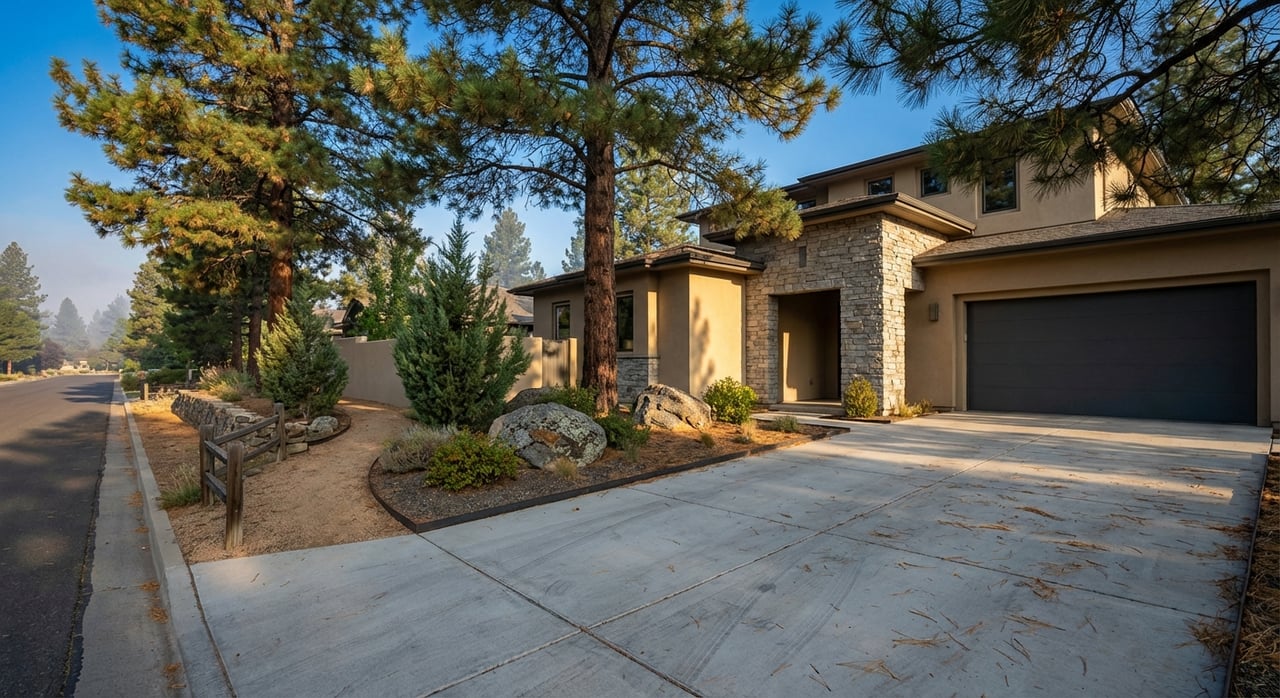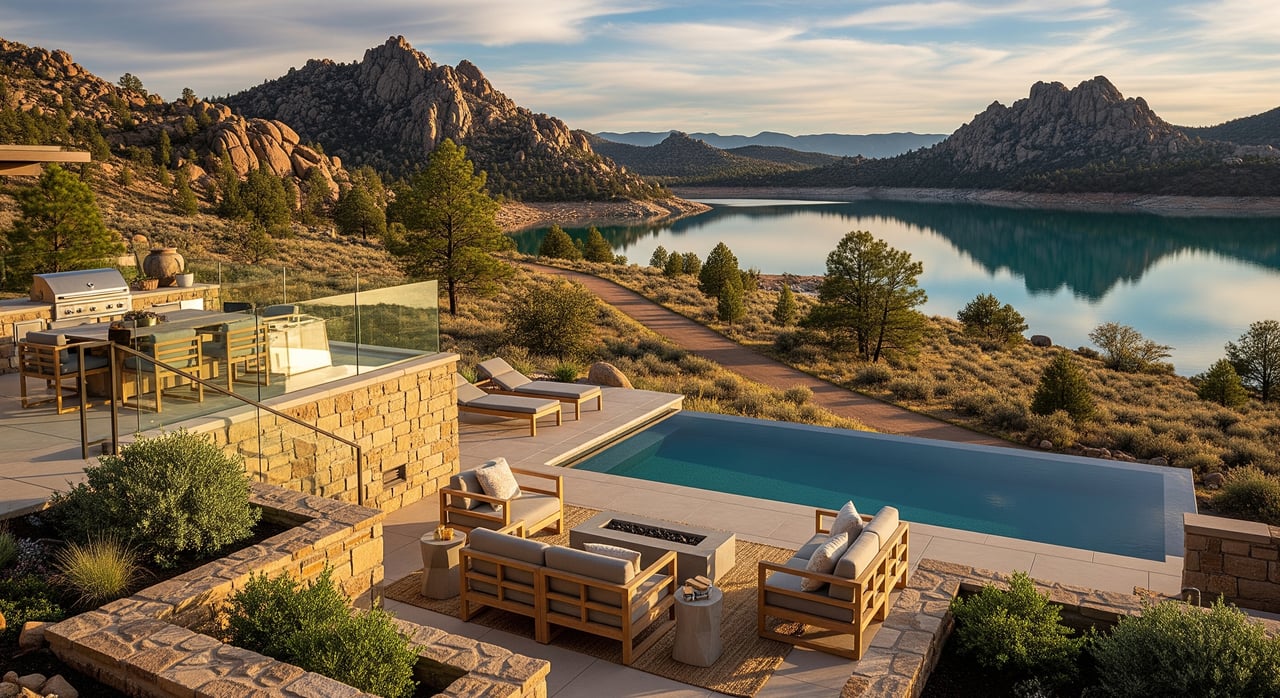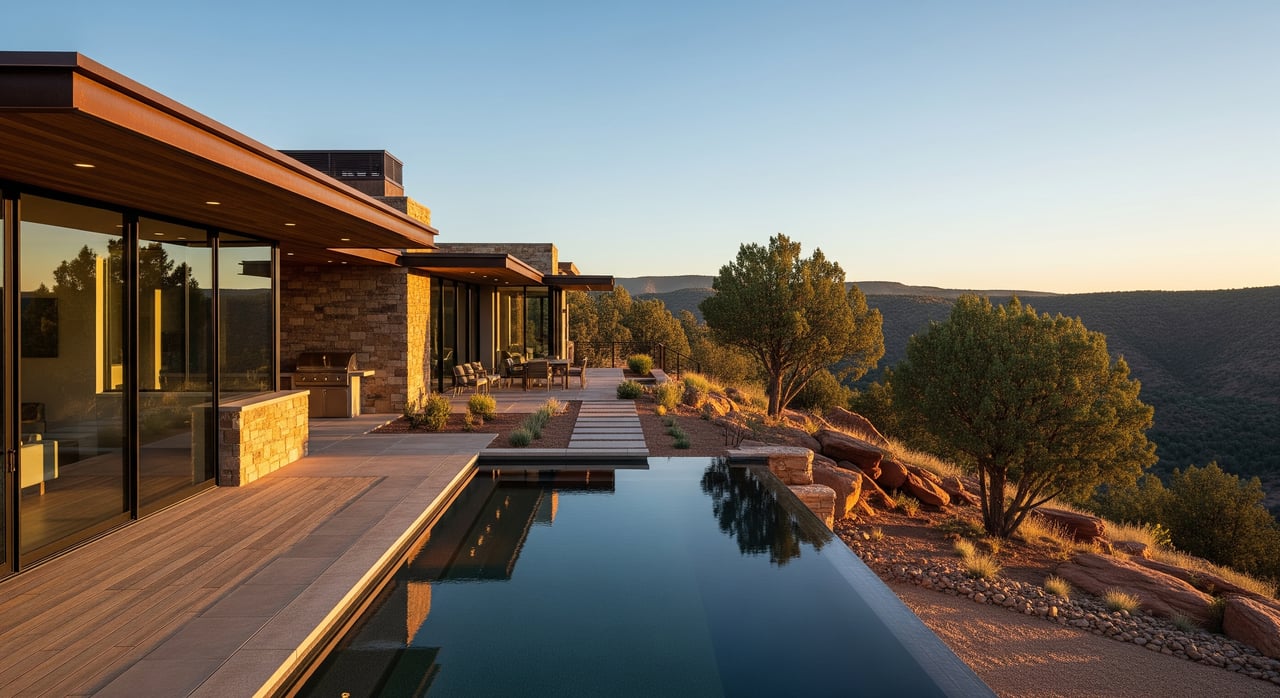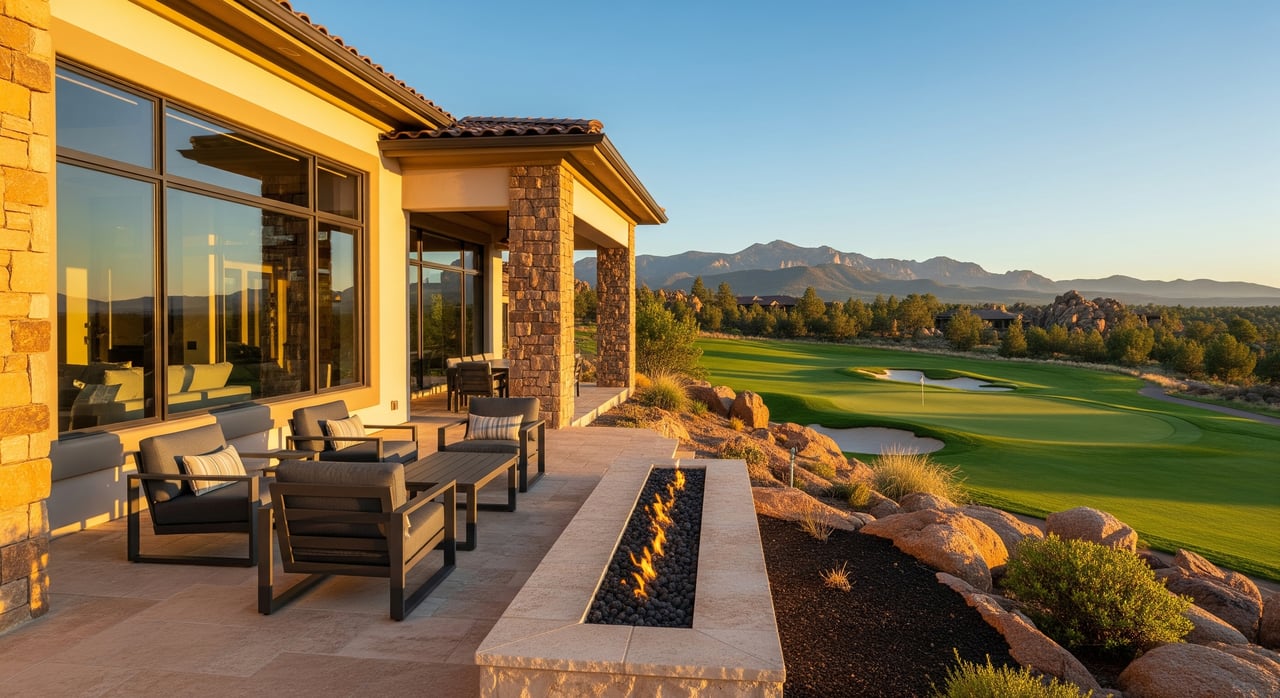
Picture sipping your morning coffee while the sun warms a green fairway just beyond your patio. If you are drawn to that scene, you are not alone. Many buyers look at Prescott for golf course living because of the outdoors, views, and community feel. This guide shows you what to expect with amenities, HOAs, memberships, costs, and due diligence so you can buy with confidence. Let’s dive in.
Why Prescott golf communities stand out
Prescott’s high-desert setting brings milder summers and cool evenings, which makes year-round outdoor time more comfortable than many lower-elevation Arizona markets. Golf communities here often blend scenic views with clubhouse life, trails, and social events that appeal to a wide range of buyers. Neighborhoods can be gated or non-gated, and the adjoining course may be public, semi-private, or private. You usually pay a lifestyle premium for convenience and views, along with ongoing HOA fees and possible club dues.
Amenities you can expect
Prescott golf communities typically offer more than a course. You may find:
- 18- or 9-hole golf, driving range, and practice facilities
- Clubhouse dining, lounges, and event spaces
- Pools, fitness centers, and tennis or pickleball courts
- Walking trails and bike-friendly streets with mountain or desert views
- Social clubs, fitness classes, and holiday events
- Some maintenance-included options and common-area landscape care
Membership types explained
Membership options affect cost and access. Always verify current policies with each club or community.
Public courses
You do not need a membership. As a homeowner you pay standard greens fees, and you may find occasional homeowner perks. Access is first-come as public tee sheets allow.
Semi-private clubs
These blend members and public play. You may see preferred tee times for members and some discounts. Membership is typically optional for homeowners.
Private equity clubs
Members buy an ownership interest or share. Dues support operations, and transfer policies vary. Membership may or may not be tied to property ownership, so confirm the rules and any transfer fees before you write an offer.
Private non-equity clubs
You pay an initiation and ongoing dues, but you do not own a stake in the club. Memberships are contractual and have specific privileges and limits.
Social or limited memberships
These provide access to dining, pool, fitness, and social events but not full golf. This can be a budget-friendly way to plug into the community.
HOA-required memberships
Some communities require a club membership or offer strong incentives. Confirm whether any requirement exists, how it works, and if there is a waitlist.
Practical membership takeaways
- Ask if a home includes a transferable membership or just preferred access.
- Confirm initiation, transfer, and annual fees, along with any waitlist.
- Verify which benefits are for homeowners, which are for members, and how they differ.
HOA vs. club: know the difference
It is common for the HOA and the golf club to be separate. Know who maintains what and how that affects your costs.
Key documents to review
- CC&Rs that govern exterior changes, rentals, parking, pets, and defensible space
- Bylaws and rules that outline enforcement and amenity use
- Current-year budget, P&L, and a reserve study for long-term repairs
- Recent HOA meeting minutes for planned projects, assessments, or disputes
- Insurance summaries and a maintenance responsibility matrix
What fees usually cover
- HOA fees: common-area care, private roads, amenities, gates, trash, lighting, and some landscaping
- Club dues and fees: initiation or transfer charges, annual dues, cart and guest fees, and occasional capital assessments for course or clubhouse projects
- Separate owner costs: homeowner’s insurance, utilities, landscape work that is your responsibility, and private well care where applicable
Governance and risk checks
- Look for strong reserves and a clear funding plan for big repairs
- Understand the relationship between the HOA and the club, especially who controls assets and services
- Check rental rules if you plan any leasing
- Review meeting minutes and public records for litigation or frequent enforcement actions
Home styles and lot features
You will find a wide mix of homes around Prescott courses. Match the style and maintenance level to your lifestyle.
Common home types
- Single-family homes on fairway or view lots
- Patio or courtyard homes with lower maintenance
- Townhomes and condos often near the clubhouse
- Custom luxury homes with added privacy and panoramic views
- Some communities are age-qualified, so confirm any age restrictions early
Site features to weigh
- Lot orientation to the fairway affects privacy and golfer activity near your yard
- Elevation and slope influence drainage and views
- Solar exposure and covered patios determine how often you will use outdoor spaces
- Maintenance responsibilities vary, which can change your monthly budget and appeal
Resale considerations
- Proximity to the clubhouse and amenities is a plus for lifestyle-focused buyers
- Strong views and privacy usually command premiums
- Higher dues or required memberships can narrow the buyer pool to those who want the full lifestyle
- Rental restrictions reduce investor interest but may increase appeal for owner-occupants
Lifestyle pros and tradeoffs
Advantages
- On-site golf, fitness, dining, and social events make daily life simple
- Active community calendars help you meet neighbors quickly
- Maintenance-included options can free up your time
Tradeoffs and risks
- HOA plus club dues add ongoing costs, and special assessments sometimes occur
- Expect some noise from course maintenance, events, and early watering
- Ask for the club’s material use policies for fertilizers and pesticides
- Water is a key topic in an arid climate, and drought rules can change the look of green spaces
- Many Yavapai County areas are fire-prone, so expect defensible-space rules and potential insurance impacts
Buyer due-diligence checklist
Use this list during your inspection and review periods. Print it for showings.
Ask the seller or listing agent
- CC&Rs, bylaws, rules and regulations
- Current HOA dues, what they cover, and any transfer fees
- Current-year budget, P&L, reserve study, and the last 2 to 3 years of meeting minutes
- History of special assessments and any pending projects
Ask the club or management
- Membership categories and privileges, including social vs. full golf
- Current initiation, annual, and transfer fees, plus any waitlist and timelines
- Member vs. homeowner benefits and any required memberships
- Capital improvement plans and course or clubhouse maintenance schedules
- Policies on fertilizers and pesticides
Property-specific checks
- Home inspection and a fire mitigation or pest inspection
- Drainage review and any grading obligations noted in CC&Rs
- Title search for easements and any membership-related covenants
- Verify water source, including municipal service or private well and any water rights
Local authority checks
- Contact the local fire district or Arizona State Forestry for defensible-space guidance
- Review the Yavapai County Recorder and Assessor for liens and parcel details
- Ask county planning about future development near the course
Smart questions to ask
- Is membership required for homeowners, and how do member benefits differ from non-members?
- Are there pending capital projects or near-term special assessments, and can you share the minutes where these are discussed?
- What portion of the HOA budget goes to reserves, and when was the last reserve study completed?
- What are the rules on short-term rentals, exterior changes, landscaping, and defensible space?
- Can you provide current financial statements, membership trends, and a complete fee schedule?
Compare a few Prescott options
Prescott includes a range of communities, from neighborhoods that border public or semi-private courses to private club settings. Communities such as Prescott Lakes Golf & Country Club are well known in town, but offerings, fees, and policies change over time. Always confirm details directly with the club or on-site management office before you make a decision.
Next steps
If you like the idea of fairway views and a social clubhouse, start with your must-haves and budget. Decide on maintenance level, preferred course type, and whether a membership is optional or required. From there, review documents, walk the course edges at different times of day, and talk with the HOA and club to confirm costs and rules. When you are ready to compare homes, I will help you weigh tradeoffs and negotiate the right terms.
Curious which golf community fits you best or what your current home might sell for? Reach out to Josh Day for buyer guidance, seller marketing, relocation support, and a free home valuation.
FAQs
What makes Prescott golf communities different from Phoenix areas?
- The higher elevation brings milder summers and cooler nights, and many neighborhoods pair golf with trails, views, and active social calendars.
Are golf memberships required when buying in Prescott?
- Requirements vary by community, so you need to confirm if a membership is optional, required, or simply preferred with each HOA and club.
How do HOA fees differ from club dues in Prescott communities?
- HOA fees cover community operations like common areas and private roads, while club dues fund golf and clubhouse operations, including initiation or transfer fees.
What home types are common near Prescott courses?
- You will find single-family homes, patio and courtyard homes, townhomes, condos, and custom luxury properties with a range of maintenance levels.
How should I think about wildfire risk near a golf course in Yavapai County?
- Many areas are fire-prone, so expect defensible-space rules, brush management needs, and possible insurance impacts that you should verify early.
What should sellers highlight when listing in a golf community?
- Emphasize lifestyle fit, proximity to amenities, views, and any maintenance-included features, and provide clear HOA and club information up front.