Pull up listings in Chino Valley and Prescott on the same afternoon this August and the price gap will look like a bargain. Entry points in Chino Valley sit in the $500s. Prescott starts closer to $700K. Most buyers read that spread as a simple trade: less desirable town, lower price. The Prescott Area Association of Realtors' own numbers from May 2026 tell a different story. Prescott closed that month at a median sold price of $680,000, up 8.8 percent from a year earlier. Chino Valley's actual closings that same month landed between $430,000 and $475,000, a gap of roughly $205,000 to $250,000 that has almost nothing to do with which town people like more and almost everything to do with which town still has room to build.
That distinction matters because it changes what you should be comparing, and it changes how you should negotiate.
The list price is lying to you a little
Here's the friction that catches buyers off guard first: in Chino Valley right now, the number on the listing and the number that actually closes are not the same number. By August 2026, Chino Valley's median list price sat near $564,000, with homes spending somewhere between 72 and 83 days on the market depending on which week you check. But the closed sales that actually went to contract in May ran $430,000 to $475,000, and roughly 40 percent of active listings were cutting price before they sold. A buyer anchoring to the list price is anchoring $90,000 to $130,000 above what the town actually trades for.
Prescott is behaving in the opposite direction. Days on market held at 28 days on the sold side in May 2026, months of supply dropped from 6.2 to 4.9 year over year, and closing volume ran 31.5 percent ahead of the prior year even as active inventory contracted 11.5 percent. Prescott is tightening. Chino Valley is softening. The two towns are not just at different price points, they're moving through 2026 in opposite directions, and that timing gap is worth more to a negotiating buyer than either median on its own.
Why Prescott ran out of room first
The mechanism behind all of this is geography, not preference. Prescott sits boxed in by Prescott National Forest, the Bradshaw Mountains, Granite Mountain, the Sierra Prieta range, and the Granite Dells. There's a real, physical ceiling on how much new inventory the city can add, because there's almost no undeveloped land left inside its borders. When a market can't expand outward, prices absorb the constraint instead. That's the structural reason growth in the wider Prescott area keeps landing east in Prescott Valley or north in Chino Valley rather than downtown.
Chino Valley doesn't have that ceiling. The town spans 63.4 square miles at 4,750 feet elevation, incorporated back in 1970, and a meaningful share of that land is still open, large-lot, and unconstrained by mountain terrain. That single fact, room to build versus no room to build, is doing more work in the price comparison than school ratings, commute times, or amenities ever could.
What Chino Valley still has that Prescott doesn't
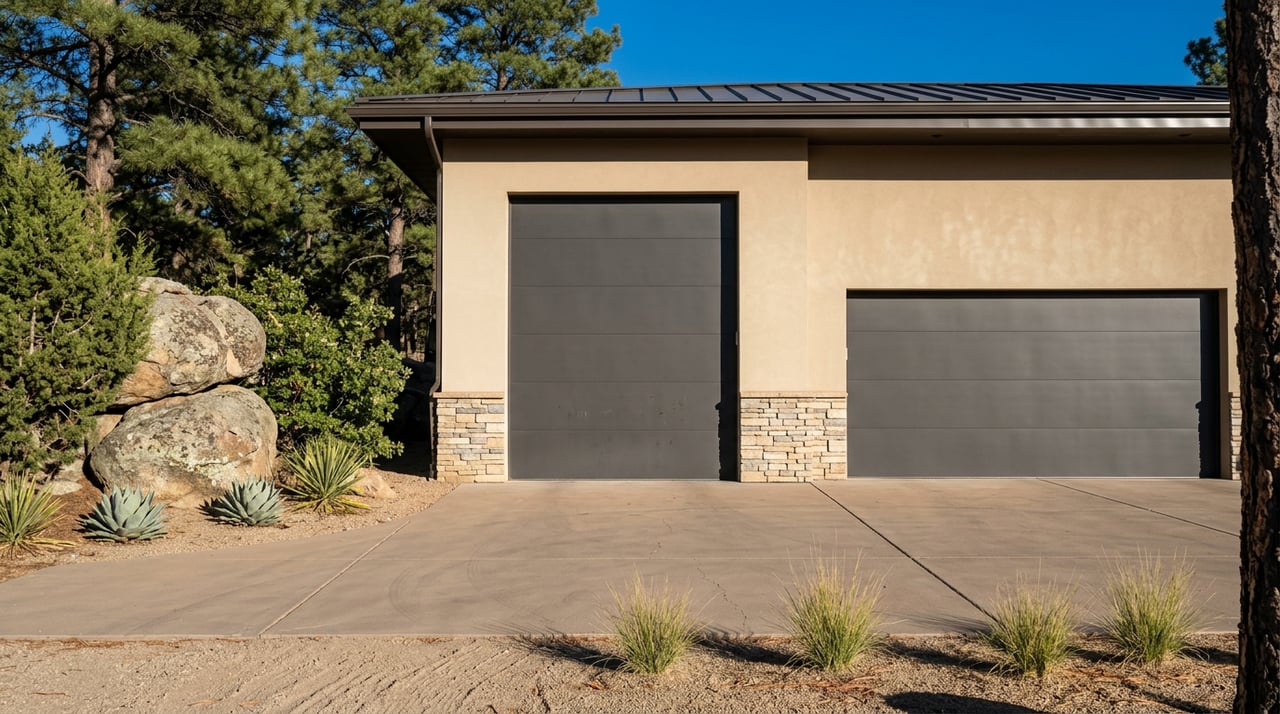
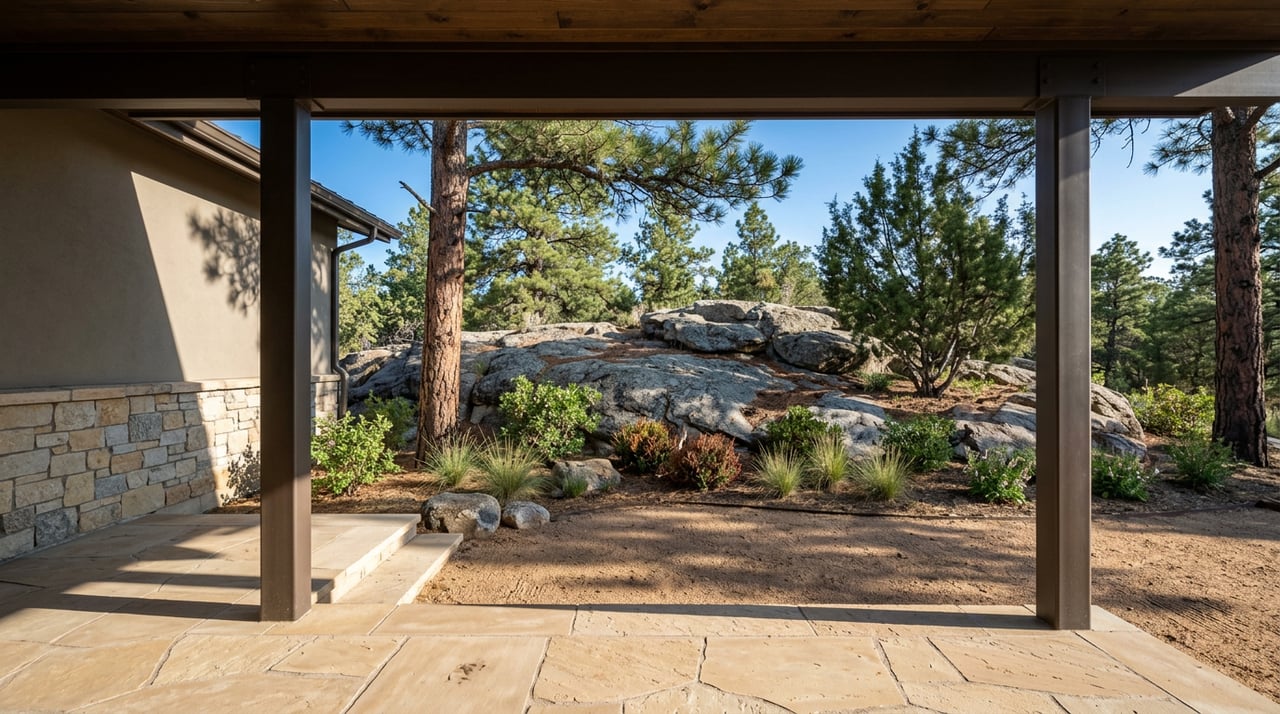
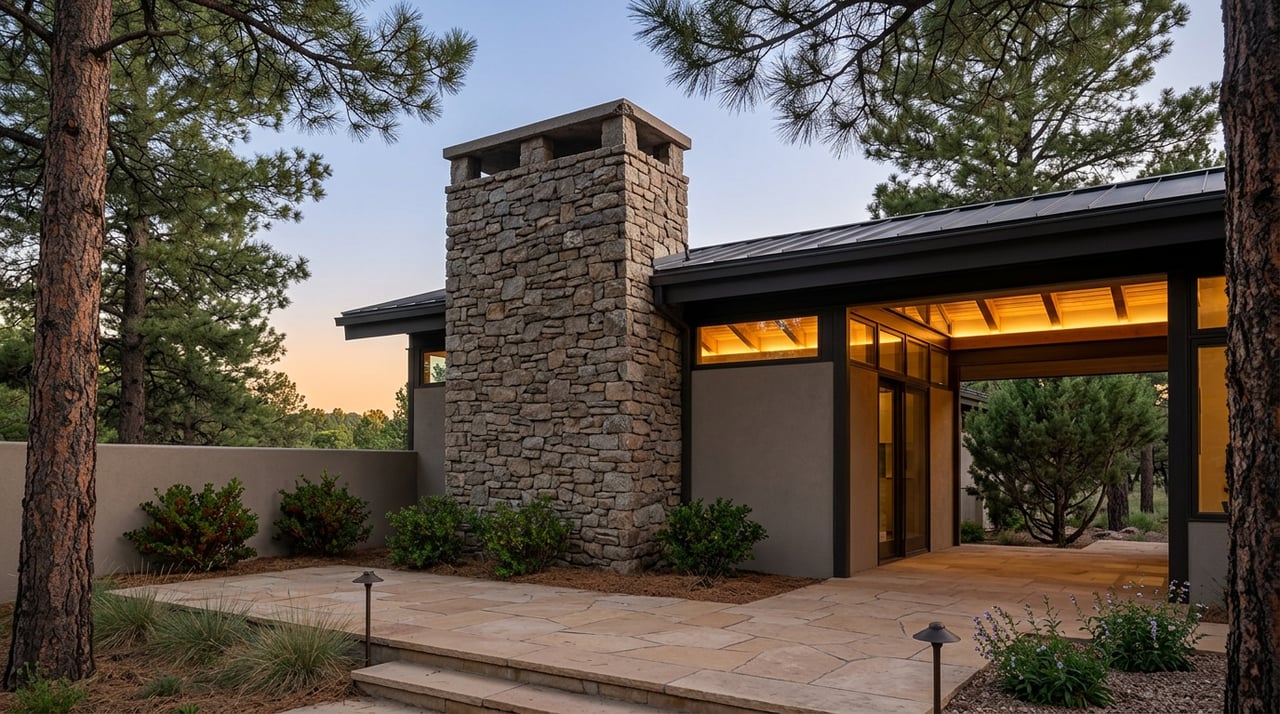
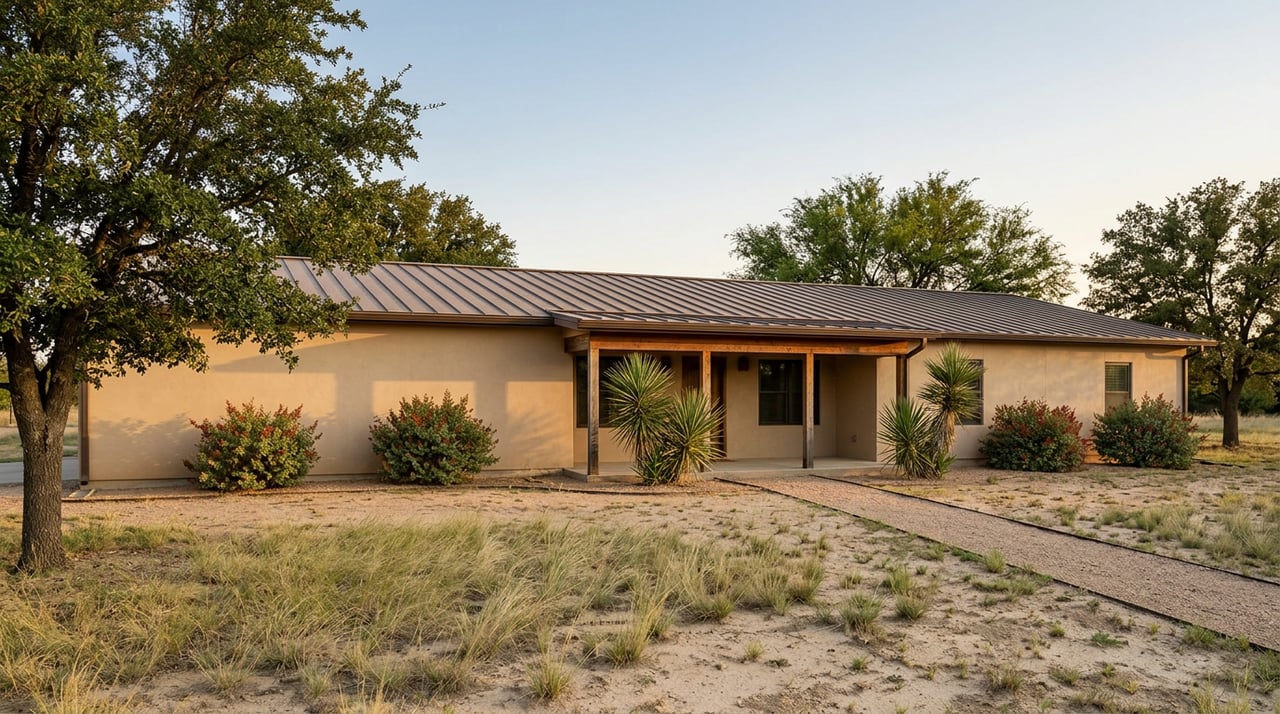
Walk through what that open land actually looks like on the ground. Wineglass Acres, Haystack Ranches, Chino Meadows, and Angus Acres all offer one to ten acre parcels with no or minimal HOA restrictions, the kind of lot size that simply doesn't exist inside Prescott's infill footprint anymore. Bee Mountain Estates, on the town's east side, is running an active custom-build pipeline through 2025 and 2026, mixing site-built homes with high-quality manufactured options for buyers who want acreage without a from-scratch build timeline.
What Chino Valley doesn't have, as of May 2026, is a single large national homebuilder operating inside town limits. No Toll Brothers, no Lennar, no Pulte master plan. Almost every new home going up is the work of a local or regional builder working lot by lot. That explains the price-cut pattern we already flagged: without a production builder setting a predictable, repeatable price ladder, individual sellers are left guessing at what the market will bear, testing high, and cutting when appraisals and comps don't back up the ask.
| Metric, May 2026 | Chino Valley | Prescott |
|---|---|---|
| Median sold price | $430,000–$475,000 | $680,000 |
| Days on market (sold side) | 72–83 days | 28 days |
| Market direction | Softening, ~40% of listings cutting price | Tightening, supply down to 4.9 months |
| Typical lot | 1–10 acres, minimal or no HOA | Infill lots, HOA common |
| New construction | Local and regional builders, lot by lot | Smaller infill pockets, no room for large master plans |
The corridor confusion that costs buyers real money
There's a specific mix-up worth flagging before you start comparing anything. Some of the new construction marketed along the same Highway 89 corridor as Chino Valley, communities like Walden Farms and Saddlewood at Deep Well Ranch, actually sits inside Prescott city limits under zip codes 86305 and 86314, not Chino Valley's 86323. If you're pricing "Chino Valley new construction" and one of your comps is really a Prescott-zoned community, you're comparing your target town against a market that's already running $200,000 higher for structural reasons that have nothing to do with the house in front of you. Confirm the zip code before you anchor to a comp, not after.
What the trade-off actually costs and saves
Cross the line from Prescott to Chino Valley and here's what actually changes. You give up in-town municipal infrastructure and Prescott's tighter, closer-in lots. You gain acreage, fewer HOA restrictions, and a commute that's shorter than it used to be now that Highway 89 has been widened to four lanes, cutting real friction out of the old two-lane bottleneck. Prescott is roughly 15 minutes away, Prescott Valley about 20. That matters if your household is commuting into jobs anchored around Yavapai Regional Medical Center's two hospitals, which together employ more than 2,000 people, or Embry-Riddle's Prescott campus, or Yavapai College. The wider drive used to be the real cost of choosing Chino Valley. The four-lane widening has quietly shrunk that cost without touching either town's underlying land supply, which is exactly why the price gap hasn't closed even as the commute has gotten easier.
A cheaper median price is not a discount. It's a receipt for a different kind of land.
What this means if you're comparing towns this fall
If you're a buyer working the Chino Valley side of this comparison, price your offers off the $430,000 to $475,000 closed band, not the $564,000 list-price signal, and lean harder on anything that's already crossed 83 days on market since that's where the 40 percent price-cut pattern is concentrated. If you're a seller in Chino Valley this season, that same data cuts against you: pricing to last year's peak just adds days, not dollars.
If you're comparing into Prescott instead, understand you're buying into a market where supply is actively shrinking and sales volume is climbing, a combination that gives sellers there real footing heading into fall. The comparison isn't cheap town versus expensive town. It's a town that ran out of room first versus one that hasn't yet, and every number in this piece is downstream of that one fact.
FAQ
Is Chino Valley cheaper because it's less desirable than Prescott? No. The gap traces to available land, not to preference. Prescott is geographically constrained by national forest and mountain terrain, while Chino Valley's 63.4 square miles still has open acreage left to develop.
Will Chino Valley's prices catch up now that Highway 89 is four lanes? The widening shortens the commute, which can pull more buyers toward Chino Valley over time, but it doesn't add land to Prescott's supply. As long as Prescott stays boxed in, the structural gap has reason to persist even as the drive gets easier.
Should I compare list price or sold price between the two towns? Sold price, every time, especially in Chino Valley right now. With roughly 40 percent of listings cutting price before they sell as of the most recent read, the list price overstates what the town actually trades for by a wide margin.
Comparing towns on paper only gets you so far. If you want the actual comps behind these numbers for a specific address or subdivision, or you're ready to see what your own home would net in either market, reach out to Josh Day for a free home valuation.