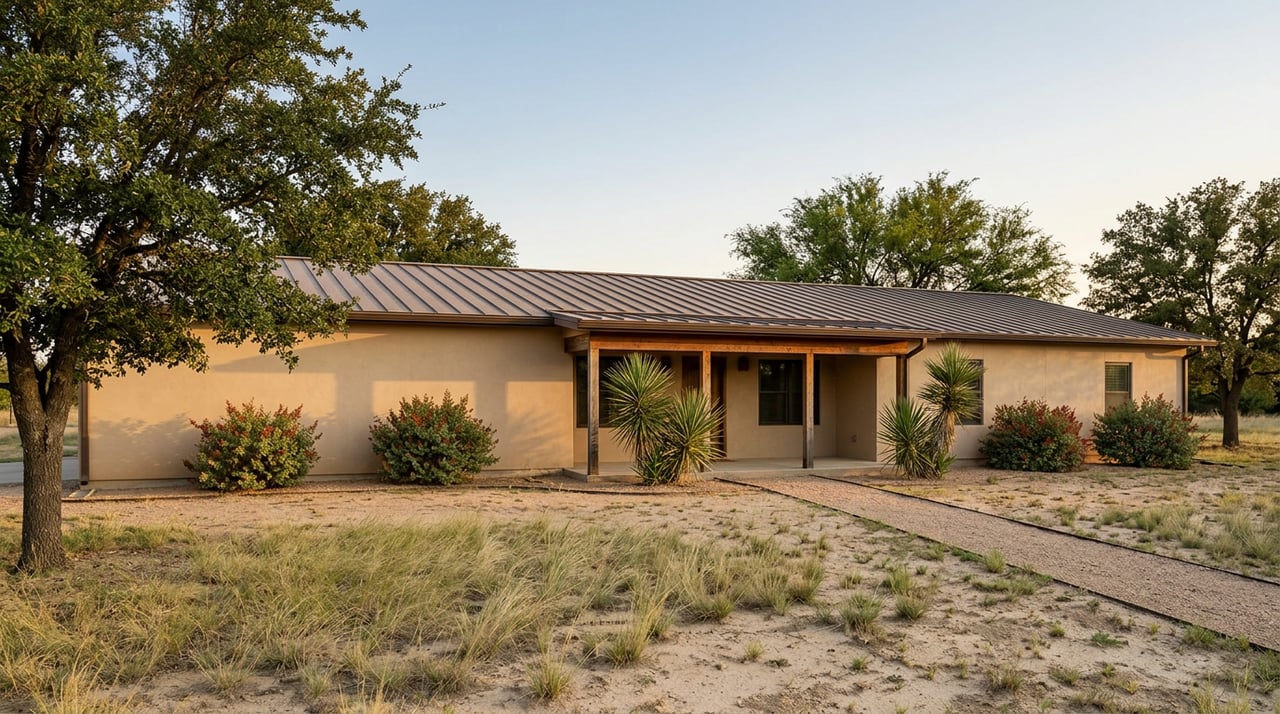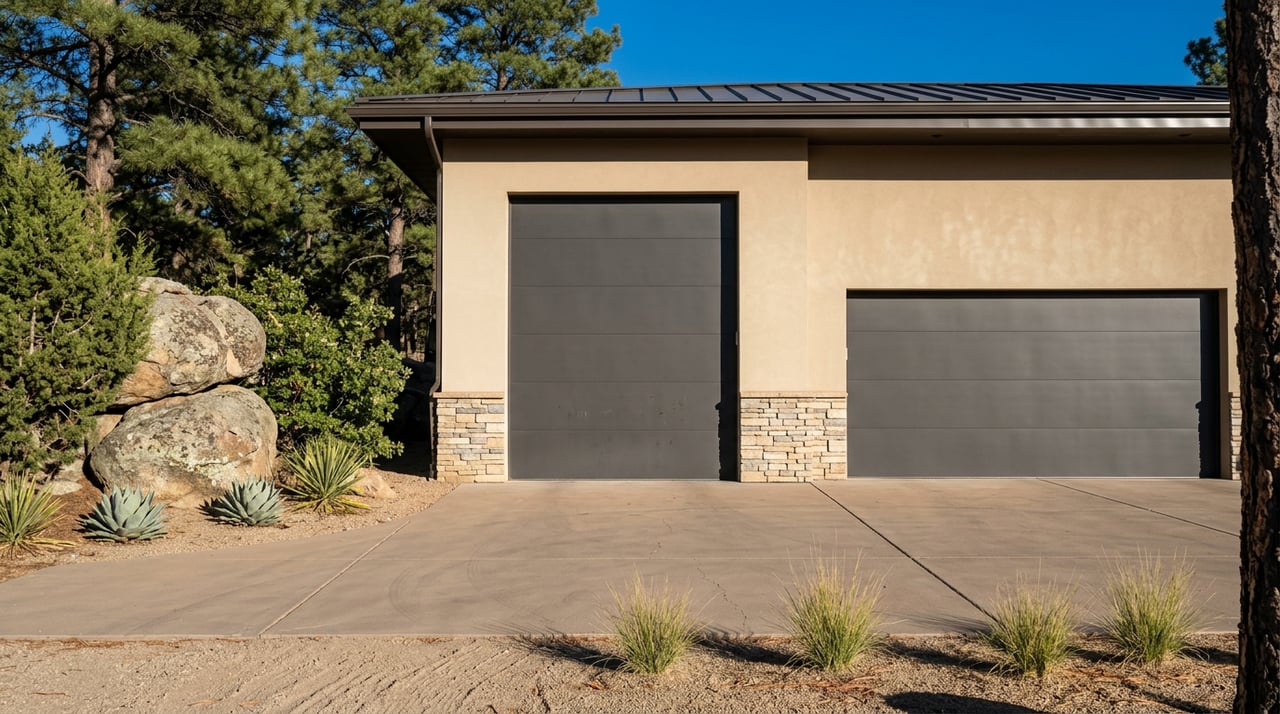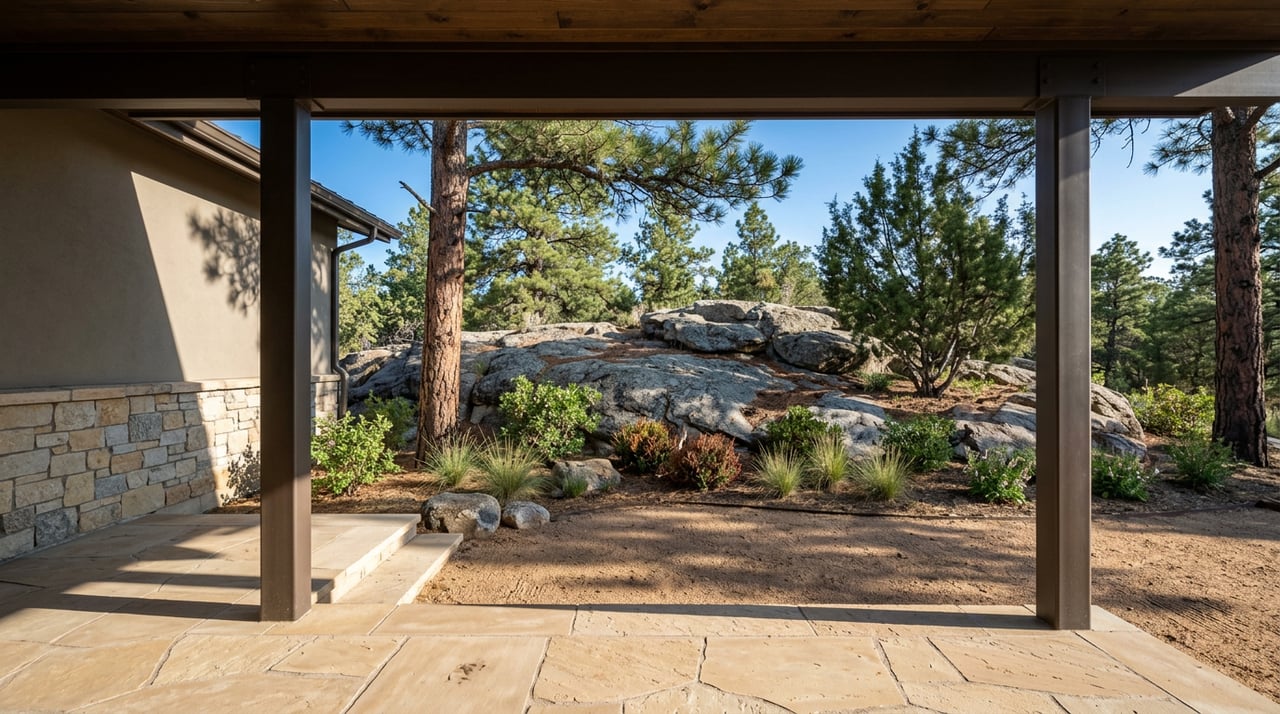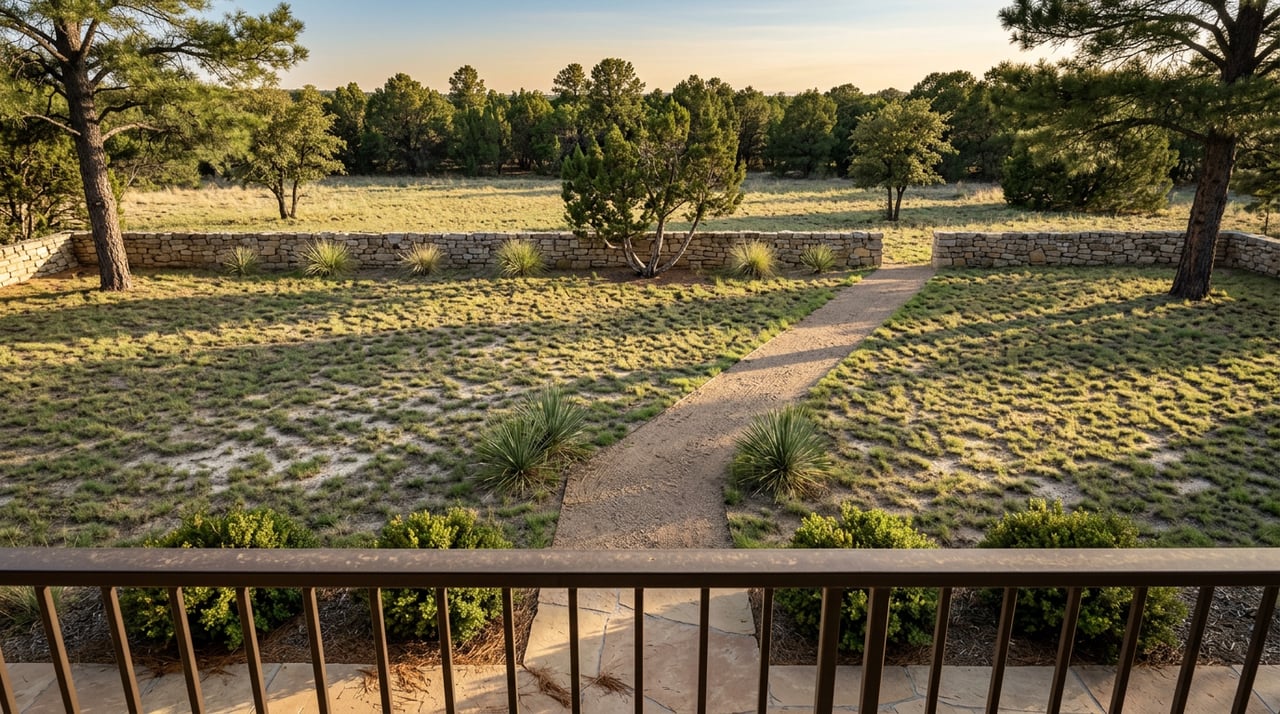
Ask a prospective buyer why they're willing to pay $400 a month in HOA dues to live inside a gated equestrian community north of Prescott, and most give the same answer: the barn. The forty-plus stalls, the covered arena, the dressage court, the direct trail access into Granite Mountain National Forest. They assume that fee is the cost of admission to a private facility built for residents only.
It isn't. American Ranch's Equestrian Center is run as a nonprofit, and it boards horses for the general public, not just homeowners inside the gate. That single fact should change how a buyer thinks about the math, because it means the dues aren't purchasing exclusive access to the barn. Anyone in the broader Prescott equestrian community can pay to board there. So what is the HOA fee actually for?
The Sticker Price, Broken Down
Current listing data for American Ranch shows HOA dues ranging from $123 to $490 a month depending on the lot and tier, with average annual property tax across the neighborhood running about $4,607. Stack the high end of dues against the tax bill and a homeowner is carrying close to $10,500 a year before a mortgage payment ever enters the picture. That's a real number, and it's fair to ask what it buys beyond a mailing address inside the gate.
The neighborhood itself sits on roughly 200 acres of common area with just over 200 homesteads spread across lots ranging from 1 to 13 acres, all built around the base of Granite Mountain and bordering the Prescott National Forest directly. The Equestrian Center, frequently described by area agents as a $3 million facility, includes covered and outdoor arenas, a dressage court, a round pen, a hot walker, a trail course, and bathing stations, on top of the more than 40 stalls. It's a serious facility. The question isn't whether it's valuable. It's who actually gets to use it, and on what terms.
The Wrinkle Most Buyers Miss
Here's the part that changes the calculation. Because the center operates as a nonprofit serving the wider equine community, boarding is available to outside riders who have no HOA relationship with American Ranch at all. A horse owner living twenty minutes away in Prescott Valley can, in principle, pay a boarding fee and use the same stalls and arenas as someone who bought a $1.9 million home inside the gate.
That reframes the HOA fee. It isn't buying private infrastructure. It's buying proximity, priority, and a voice in how that shared infrastructure gets governed and maintained. If you own inside American Ranch, you can walk or ride to the barn from your own property instead of trailering in. You have standing at HOA meetings that set the rules for how the facility runs. You're paying for convenience and governance, not for keeping other riders out.
For a buyer who plans to ride daily, that convenience has real value. For a buyer who might board a horse occasionally, or who's weighing American Ranch against a standalone acreage property elsewhere in Williamson Valley, the math looks different once you know the barn isn't gated behind the HOA fee.
What Building Your Own Would Actually Cost
The alternative to buying into shared infrastructure is building your own, and the broader Prescott market shows what that takes. A 24.76-acre equestrian estate on Williamson Valley Road listed in March 2026 at $7.7 million, and its private facilities illustrate the scale required to replicate what American Ranch offers collectively: a 120-by-160-foot covered arena, a 150-by-300-foot outdoor roping arena, and a 60-by-60-foot covered six-horse walker, all built and maintained by a single owner rather than shared across 200 homesteads.
That property sits at the very top of the market, and it isn't a direct price comparison to a typical American Ranch homesite. But it's a useful anchor for the real trade-off. Building even a modest private version of what American Ranch already has, meaning a covered arena, a round pen, stalls, and a hot walker, requires land, permitting, construction, and ongoing staff or self-maintenance. The HOA fee is a bulk-rate substitute for that buildout, spread across every household in the community whether or not they use the facility that month.
As of July 10, 2026, the broader Prescott horse-property market carried a median list price of $1,310,000 at an average of $539.57 per square foot, with listings sitting on the market an average of 73 days. Against that backdrop, current American Ranch listings show single-family homes averaging $1,911,200 and available lots averaging $293,980. American Ranch is pricing above the general Prescott equestrian market, and the premium tracks with what the community bundles in: shared, already-built infrastructure plus direct forest trail access, rather than a lower base price with the expectation that a buyer builds their own setup from scratch.
So What Are You Actually Paying For
Strip away the assumption that dues buy exclusivity, and three things remain that genuinely justify the fee for the right buyer:
- Distance. Living inside the gate means the barn is a short ride from your own pasture instead of a trailer trip. For someone who rides most days, that alone can be worth the monthly cost.
- Governance. HOA membership comes with a say in how the Equestrian Center is maintained, staffed, and scheduled. Outside boarders don't get that voice.
- Land and setting. Lots run from 1 to 13 acres with direct Prescott National Forest access at the edge of Granite Mountain, which is a specific combination of acreage and public land frontage that's harder to find outside a planned community.
None of that is the same as paying for a private barn. A buyer who wants exclusive, members-only equestrian infrastructure should know upfront that American Ranch's center doesn't work that way, and should factor the public boarding option into their decision rather than assuming the HOA fee forecloses it.
The Question to Ask Before You Write an Offer
If you're comparing American Ranch to a standalone acreage property elsewhere in Williamson Valley, the useful exercise isn't just comparing HOA dues to zero. It's pricing out what boarding would cost you as an outside rider at the same facility, then comparing that number plus a cheaper acreage purchase against the full American Ranch package of dues, property taxes, and homesite premium. For some buyers, the convenience and governance voice win easily. For others, the arithmetic favors buying land elsewhere and boarding as a member of the public.
Either way, ask for the current CC&Rs and the HOA's most recent fee schedule before assuming anything about what's included. Fee ranges and amenity tiers vary by lot, and the only way to know your actual carrying cost is to see the documents attached to the specific homesite you're considering.
FAQ
Can I board a horse at American Ranch without living there? Yes. The Equestrian Center operates as a nonprofit and offers boarding to the broader Prescott equine community, not exclusively to homeowners inside the gate.
Do all American Ranch lots come with the same HOA fee? No. Current listings show dues ranging from roughly $123 to $490 a month depending on the lot and amenity tier, so it's worth confirming the exact figure attached to any specific property before comparing costs.
Is the trail access exclusive to residents? American Ranch borders the Prescott National Forest directly, giving residents and boarders alike a route into the Granite Mountain trail system without a separate trailhead drive.
If you're weighing American Ranch against a standalone horse property elsewhere in the Quad Cities, the numbers only make sense once you know what's actually gated and what isn't. Josh Day Real Estate works through that math with buyers every week across Prescott's equestrian corridor. Get a Free Home Valuation and we'll walk through what your specific situation actually costs, and what it buys.